Facebook
 Post
Post
 Email
Email
 Print
Print
The U.S. dairy industry is one of the largest in the world, and the Trump Administration just opened it up to an unlimited guestworker program.
On June 17, USCIS issued new guidance declaring that work on a dairy can qualify as “temporary or seasonal” under the H-2A agricultural visa program — even though dairy cows must be milked every day of the year. H-2A was built for seasonal farm work. Stretching it to cover permanent, year-round positions opens one of our most important industries to an uncapped supply of low-wage foreign labor.
The Unlimited H-2A Program
The H-2A visa program was created by the 1986 Immigration Reform and Control Act as a concession to farmers who were concerned that the amnestied workers would leave their farms for better jobs and wages. Unlike the H-2B program, H-2A has no numerical limit. The 1986 amnesty bill also created an uncapped guestworker program — one of an alphabet soup of visa programs that displace Americans and exploit foreign workers.
Lower Wages Is A Feature
In October 2025, the administration lowered the wage floor for H-2A workers and began allowing employers to deduct housing costs from wages — something they were previously required to provide at no cost. The Economic Policy Institute projects H-2A wages to drop by billions of dollars as a result. Under the Trump Administration, the H-2A program has become both cheaper and more widely available to American employers. Even before the dairy guidance was issued, the Department of Labor projected the program to grow from 383,000 certified positions to more than 500,000 guestworkers over the next decade.
The Dairy Expansion
The USCIS guidance means there is now no structural limit on how many foreign workers can be brought in to staff American dairy farms. The American dairy industry is not struggling. It supports more than 3 million jobs, generates $198 billion in direct wages, and contributes $779 billion to the economy. Exports set a record at $9.5 billion in 2025, and the industry is investing more than $11 billion in new processing capacity. An industry this strong does not need a cheap-labor bailout — it needs the technology that has made our competitors more productive.
We have already seen what that looks like. After an immigration enforcement action at his farm, upstate New York dairyman Dale Hemminger installed robotic milking machines. His output per worker climbed from roughly 800,000 to 2.5 million pounds of milk a year, and his remaining employees earn more, work shorter hours, and do less grueling labor. This is not exotic technology: the Dutch firm Lely commercialized robotic milking in 1992. Today, about 25 percent of dairy farms in Denmark and the Netherlands milk with robots, compared with about 5 percent here. The U.S. dairy industry has been slower to modernize than competitors in Northern Europe — and this expansion will make it slower still, by removing the economic pressure that drives investment in labor-saving technology.
Legislative Outlook
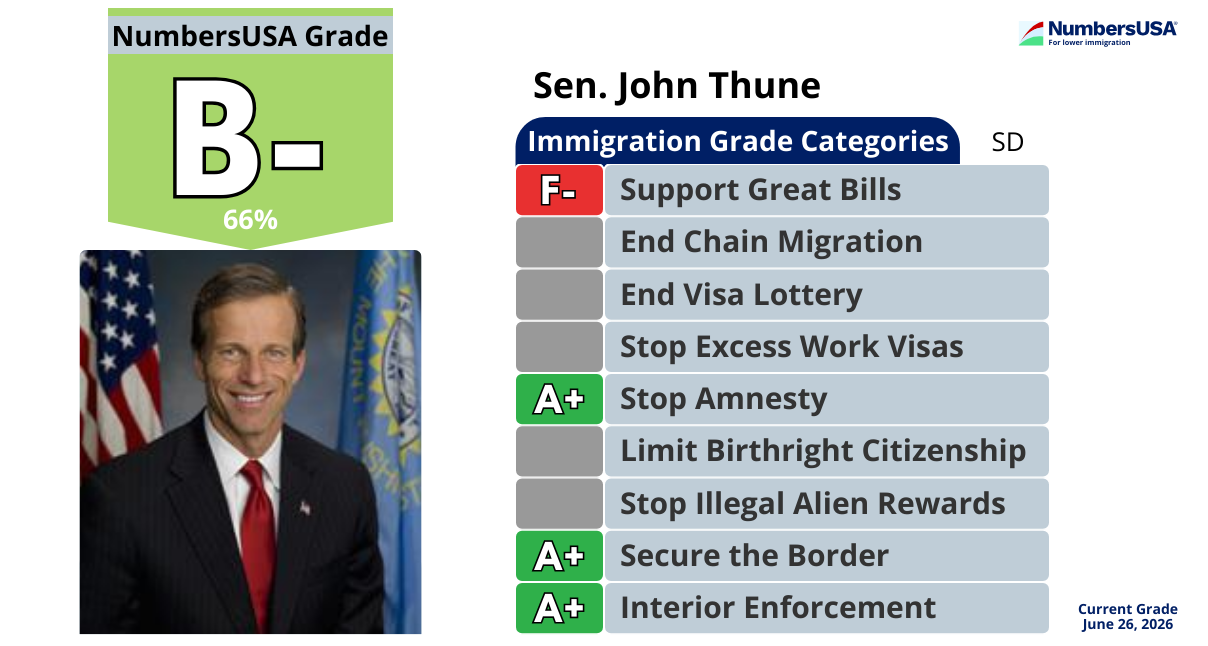
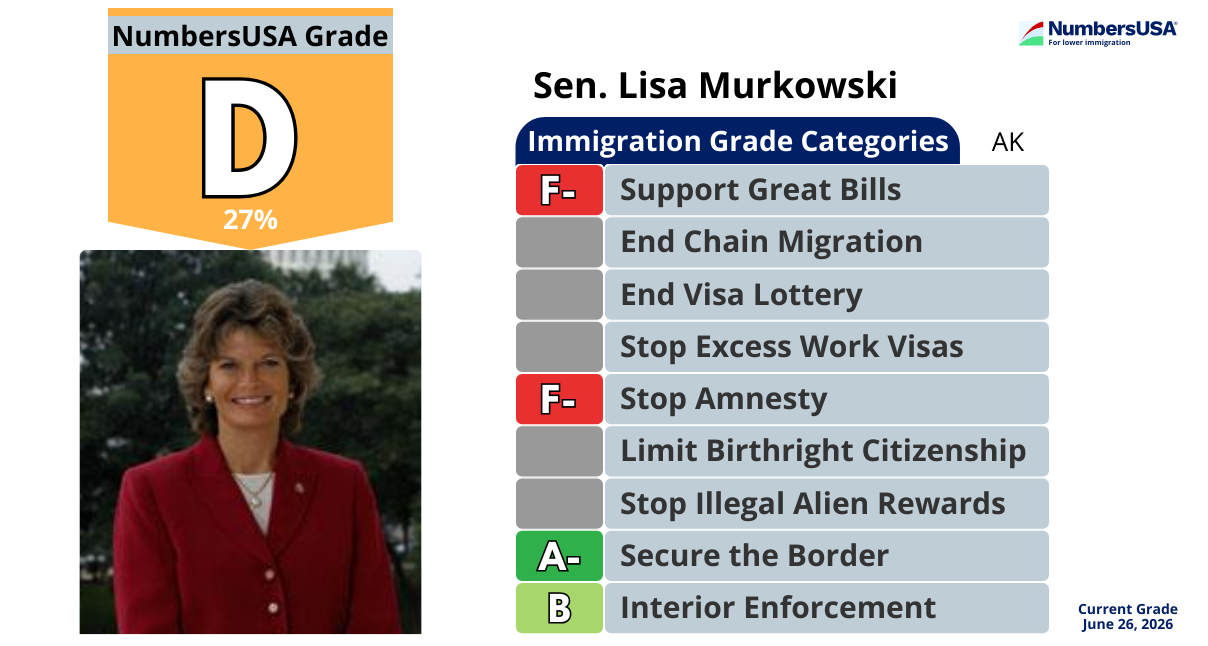
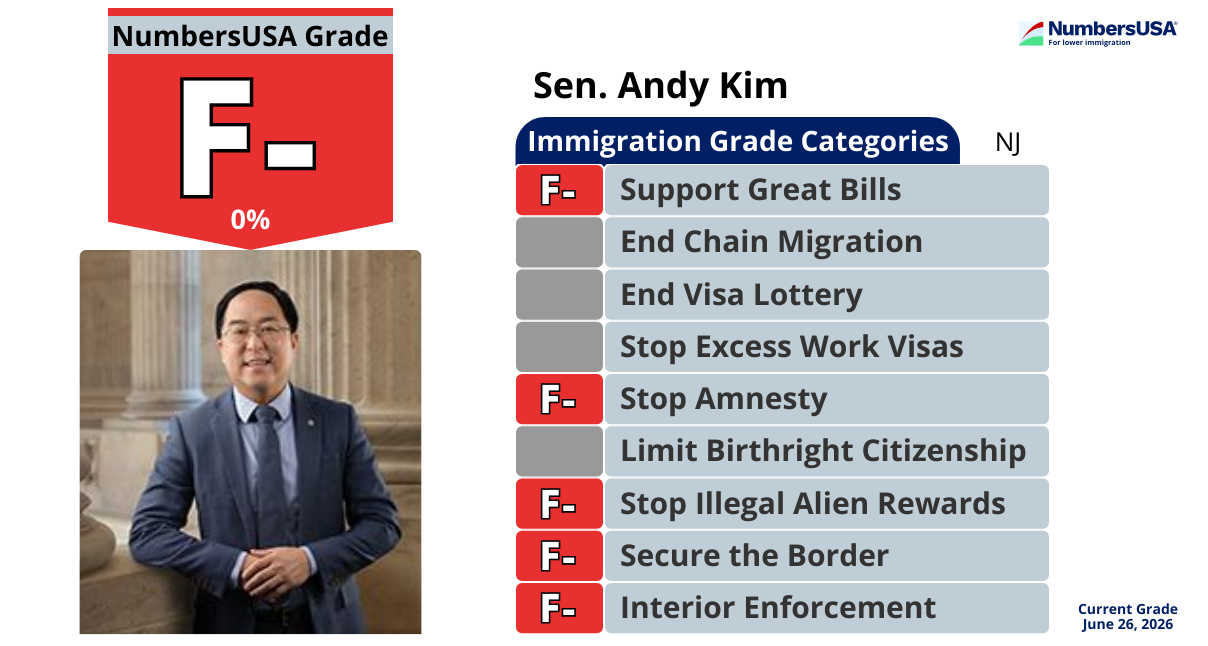
Despite persistent lobbying to expand the program to dairy farms, Congress has not been able to muster the votes to make that happen. This expansion was accomplished by policy memo, not legislation. Congress is circulating legislative proposals that would codify the expansion into law. Similar language has been quietly added to the Department of Homeland Security funding bill.
Not Your Members? | Create Account or Log In to manually enter your address.