Facebook
 Post
 Email
 Print
A migrant caravan hundreds strong is heading toward the U.S. border.
Its members hope to enter the United States and find work—either illegally or by applying for asylum and obtaining work permits, as many migrants did during the 2021–2025 border surge.
“The only thing we want is for the president of Mexico [Claudia Sheinbaum] to open the way for us so we can get ahead, to work,” said one of the migrants. “We also ask President Trump to open the doors for us, right, because we are people in need, honestly.”
The Department of Homeland Security says it has ended the release of unauthorized migrants into the country. This caravan probably won’t make it into the U.S. as long as the Trump administration can keep it on the Mexico side of the border. But if President Trump’s January 2025 proclamation is overturned by the courts, the DHS record for no releases will come to an end.
Moreover, the underlying incentives remain: jobs are still available to people working illegally, and loopholes in the asylum system remain available to those seeking release and work authorization. Congress needs to address both problems.
When the House returns after the midterm elections, it should fast-track votes on Chip Roy’s border bill (H.R. 9773) and Ken Calvert’s E-Verify legislation (H.R. 251) to permanently remove the jobs magnet.
In the Senate, Mike Lee’s asylum reform (S. 5371) and Katie Britt’s E-Verify bill (S. 4620) deserve support.
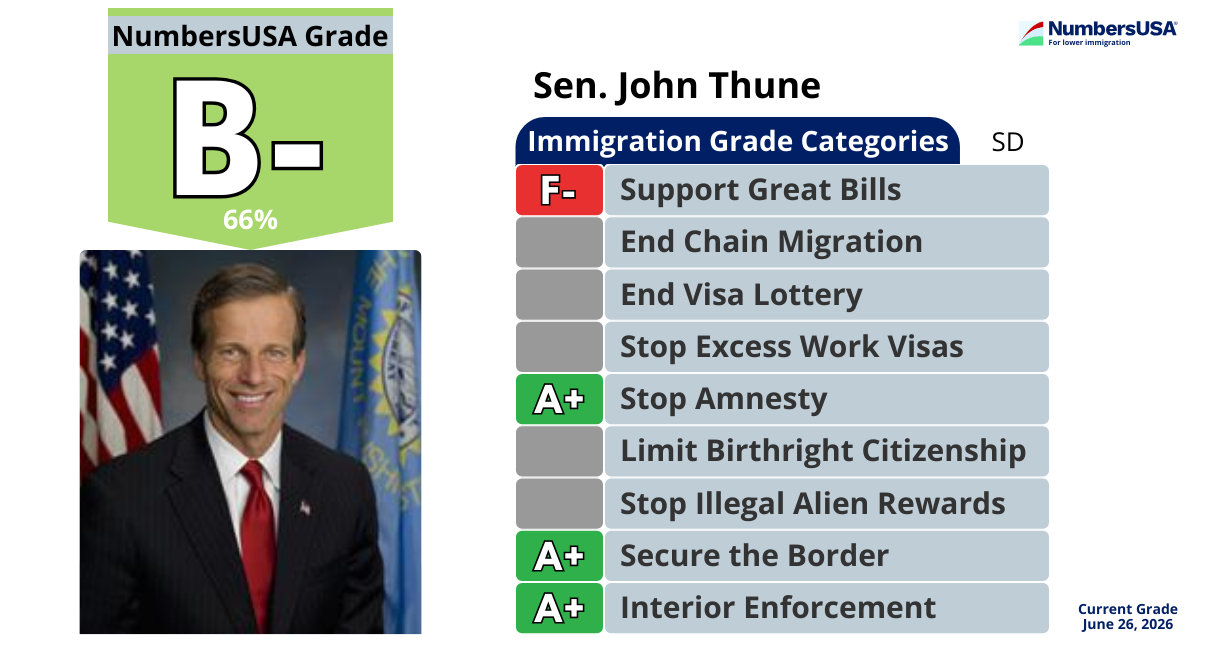
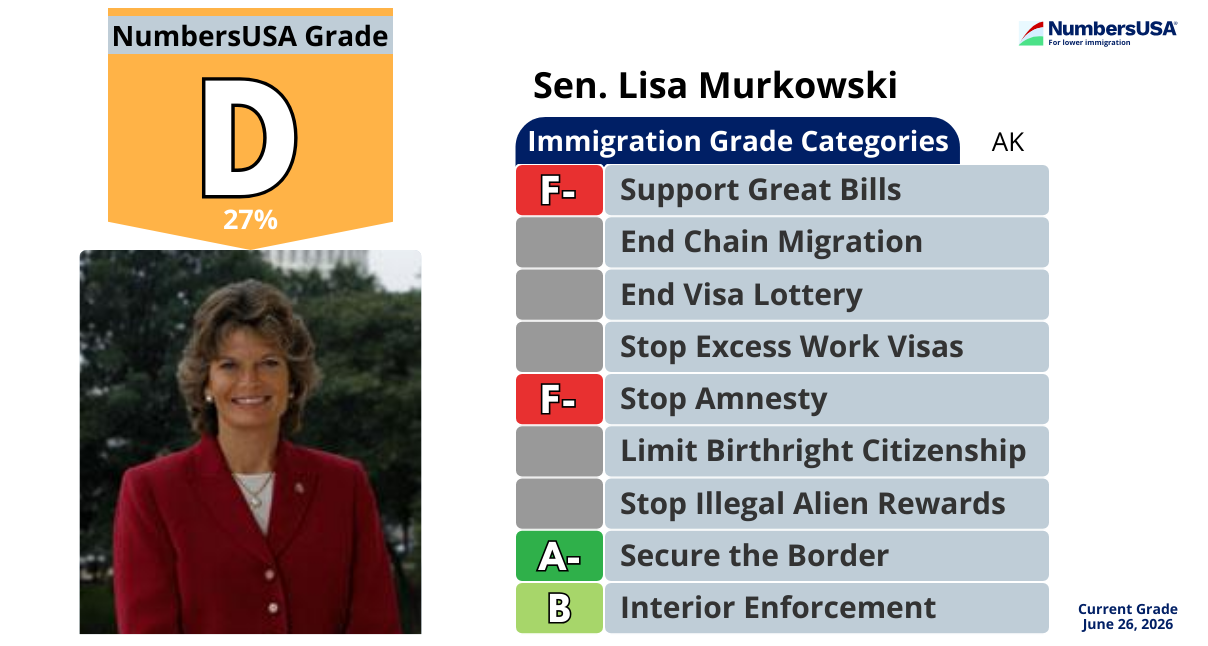
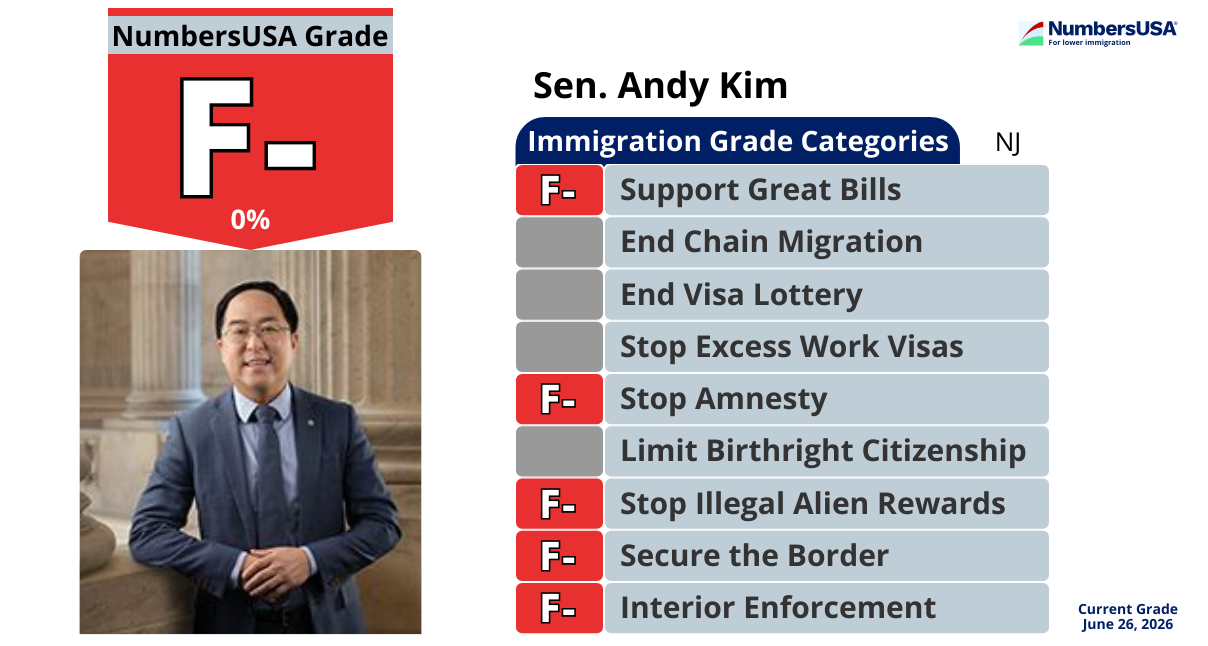
Want to know which Members of Congress are serious about discouraging future caravans? Check the cosponsors of these four bills—and urge your representatives to join them.
The Numbers Can Be Overwhelming
The Trump administration has built a proverbial wall around the vulnerabilities in the system that Congress has yet to address. If that policy wall should fall, the numbers could quickly rise. We’ve seen it happen again and again.
Amber Lapp revisited Springfield, OH, a focal point during the 2024 election, to take a deeper look at an American town that found itself in the middle of a national immigration controversy that focused almost exclusively on who the migrants were. Writing in Commonplace, Lapp describes a community that was already struggling with multiple challenges when they were faced with a sudden influx of migrants. The people of Springfield were overwhelmed by the numbers.
“I don’t care if they’re purple, yellow, or from Mars,” one resident told Lapp. “That’s a whole lot of people to put in a small area in a short period of time without making infrastructure changes, without making changes needed to sustain that.”
A Familiar Pattern: Good Intentions Spiral Out of Control
The migrant influx amounted to roughly one-sixth to one-quarter of Springfield’s population – a surge that would strain any community, regardless of the source. The impact on the local labor market was obvious. One resident told Lapp that a friend’s $21-an-hour factory job was refilled with cheaper migrant labor. The Guardian reported that local businesses came to rely on the program for “cheap, reliable labor.”
Wausau, Wisconsin, experienced a similar pattern decades ago. What started with local churches sponsoring a few refugee families ballooned into a full-blown refugee resettlement industrial complex. In his 1994 article for The Atlantic, NumbersUSA’s founder Roy Beck reported that “While most residents spoke well of the immigrants as individuals, they thought that the volume of immigration had crossed some kind of social and economic threshold.” The community had little to no ability to regulate the influx, but was left with the tax burden. In Wausau in 1994, 70% of arrivals were on assistance.
In Minnesota, a few refugees responded to a poultry plant’s job ad in the 1990s and within a year resettlement agencies, paid per refugee, began placing several hundred refugees there every year. Like the factories in Springfield, the local meatpacking companies used the surplus labor to fill jobs at lower wages. Mass immigration transformed the meatpacking industry across the country. From the 1950s through the 1970s, meatpacking was among the safest, best-paid lower-skilled jobs; but wages have dropped by more than 40% since 1980, adjusted for inflation.
The numbers don’t just strain wages and housing. They reshape the land itself. Our Paving Paradise study found that population growth drove 91% of the open land California lost between 1982 and 2022.
The lesson is the same in communities across the country:
Limits Are Not Optional
This caravan represents only a tiny fraction of the worldwide demand for American jobs. American communities would be overwhelmed by even a fractional increase. Most people, including most Americans, have to find economic opportunities within their own nations. Our government’s responsibility is to the American people. We have to set responsible limits, and back those limits with credible enforcement.
In Other News
H-1B Wages: John Miano (CIS) fact checked Microsoft. The tech giant pays some H-1B workers more than Americans, but guest workers from the major sending countries are paid between $20,000 and $25,000 less than Americans per worker.
H-1B Extension Fraud: Federal inspectors found violations at more than 1 in 5 sites they inspected as part of a probe into H-1B extensions. You have until November 13 to submit a public comment in support of a proposed rule to require H-1B petitioners, applicants, or beneficiaries to prove eligibility for immigration benefits.
Schools: The number of new immigrant students enrolling in California schools has dropped sharply since the end of the border surge nearly two years ago.
Detention: The Fifth Circuit ruled that illegal aliens can be detained during deportation proceedings without individualized bond hearings, reversing previous rulings that ordered their release.
ICYMI
Construction: The construction lobby is worried about losing illegal workers. They want Congress to give them a new foreign worker program instead of raising wages to American standards.
This Week In Immigration History
Oct. 21, 1998: H-1B cap raised “temporarily.” Congress increased the H-1B cap from 65,000 to 115,000. The change was sold as a solution to urgent labor shortages in the tech fields until Americans could learn to code. The official cap fell back to 65,000 in 2004, but Congress had already added exemptions that keep actual numbers above 100,000 per year.
NumbersUSA In The News
Our new study, Paving Paradise, is still making the rounds. India West quoted co-author Philip Cafaro, who called the past half century “a time of high hopes and dashed expectations in California” and said Californians “are ready to chart a new course.”
I joined The Todd Starnes Show to talk about how immigration has transformed California and the nation. Immigration policy “is not just about keeping the bad guys out.” We also have to set a limit on the number of “good guys” we admit. That decision shapes Americans’ wages and the kind of cities and towns we live in.
Not Your Members? | Create Account or Log In to manually enter your address.