Facebook
 Post
Post
 Email
Email
 Print
Print
A Dangerous Season Taking Shape
A massive, 5,000-mile marine heat wave now stretches across the Pacific, and scientists warn it could intensify heat, humidity, wildfire risk, and push tropical systems farther north this summer. Forecasters are also tracking a possible El Niño, which could bring drought, heavier downpours, and more extreme wildfires. The outlook is ominous: the coming season carries elevated risk across a range of hazards.
But the most important question is not just what the weather will do–it is who, and how many, will be in its path.
More People, More Exposure
We cannot control ocean temperatures or prevent wildfires and hurricanes–but we can control our level of exposure.
Over the past several decades, millions of Americans have moved into vulnerable areas: fire-prone forests, floodplains, drought-stricken regions, and hurricane-exposed coastlines. This expansion is not coincidental. Population growth–now largely driven by immigration–has increased demand for housing and infrastructure, accelerating development into high-risk landscapes.
A clear example is the expansion of the wildland–urban interface (WUI), where communities meet fire-prone land. As housing spreads along forests and grasslands, more people are placed directly in the path of wildfire. More development also increases opportunities for accidental ignitions, while limiting controlled burns and allowing fuel loads to build.
The Expanding Bullseye
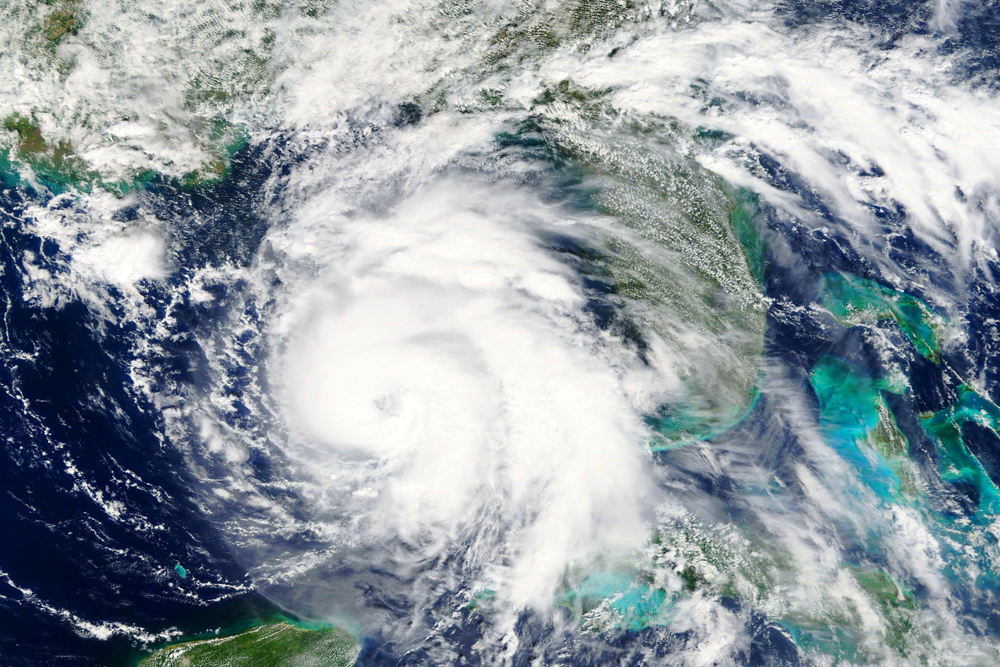
Hurricane Michael (Oct. 2018) heading towards Florida — America’s 3rd most populous state
A second dynamic is the “bullseye effect.” As metropolitan areas grow, more people and infrastructure are placed in harm’s way. A storm that once caused limited damage now strikes densely populated regions filled with homes, roads, and essential infrastructure.
The hazard may be similar–but the target is far larger. This helps explain why disasters appear more destructive and costly: they increasingly intersect with large populations in high-risk areas.
Growth Patterns and Rising Risk
None of this suggests that immigration causes hurricanes, wildfires, or droughts. But immigration-driven population growth drives development. As population increases, so does pressure to build–but too often where land is available but risk is higher.
The result is a steady expansion of homes and infrastructure into fire zones, floodplains, and exposed coastal regions, multiplying the human and economic consequences of natural hazards.
A More Honest Approach to Resilience
If we are serious about resilience to extreme natural events, we must look beyond disaster response and examine why more people and property are now vulnerable. We cannot stop a marine heat wave or prevent the next wildfire season–but we can choose not to keep expanding the “bullseye.”
That begins with an honest conversation–not just about climate and weather, but about population growth, development, and the decisions placing more Americans in the path of disaster. With population growth now largely driven by immigration, it must be part of that discussion. Reducing immigration rates would help to keep development out of high-risk areas, lower long-term disaster costs, and–most importantly–keep more Americans out of harm’s way.
Find the latest updates and actions on your Action Board.
Not Your Members? | Create Account or Log In to manually enter your address.